
In Search of Margaret Bonds
by Betsy Ko
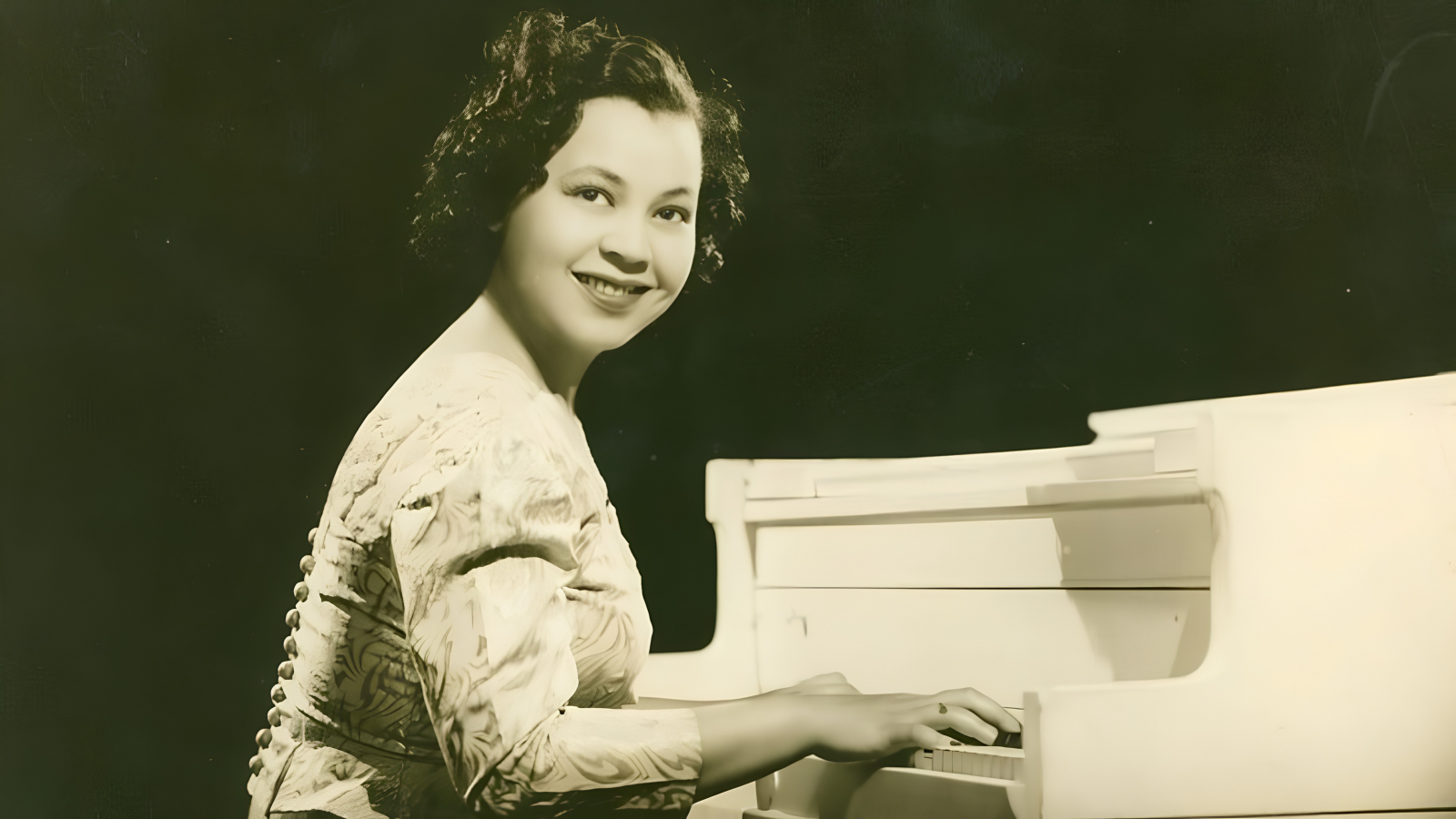
By all accounts, Margaret Bonds was precocious. She embarked on her collegiate music studies at Northwestern University in 1929 at the tender age of 16, while still living with her mother and grandmother 22 miles away on the South Side of Chicago (as reflected in the 1930 census). She faced prejudice at a time when African American students were still banned from the campus swimming pool — discrimination that extended to the dormitories as well. She talked candidly about this later in life, but at the time, she prioritized finding a way to keep moving toward her goals. According to biographer John Michael Cooper, she found off-campus housing in Evanston for her later years of study at Northwestern. She successfully graduated with both her bachelor’s and master’s degrees in 1934.
Finding stories like this is one of the great joys of genealogy. Frequently, simply by reading the records and piecing together commentary, we are able to peek through the shadows of time to see a bit more about what an individual’s life was like at that moment. The records that I uncovered while researching Margaret Bonds and her family were no exception in this regard. Although records are never a substitute for knowing a person (their laugh, their pet peeves, how they liked their coffee), we can use them to gain a better understanding of how their family relationships made them who they were.
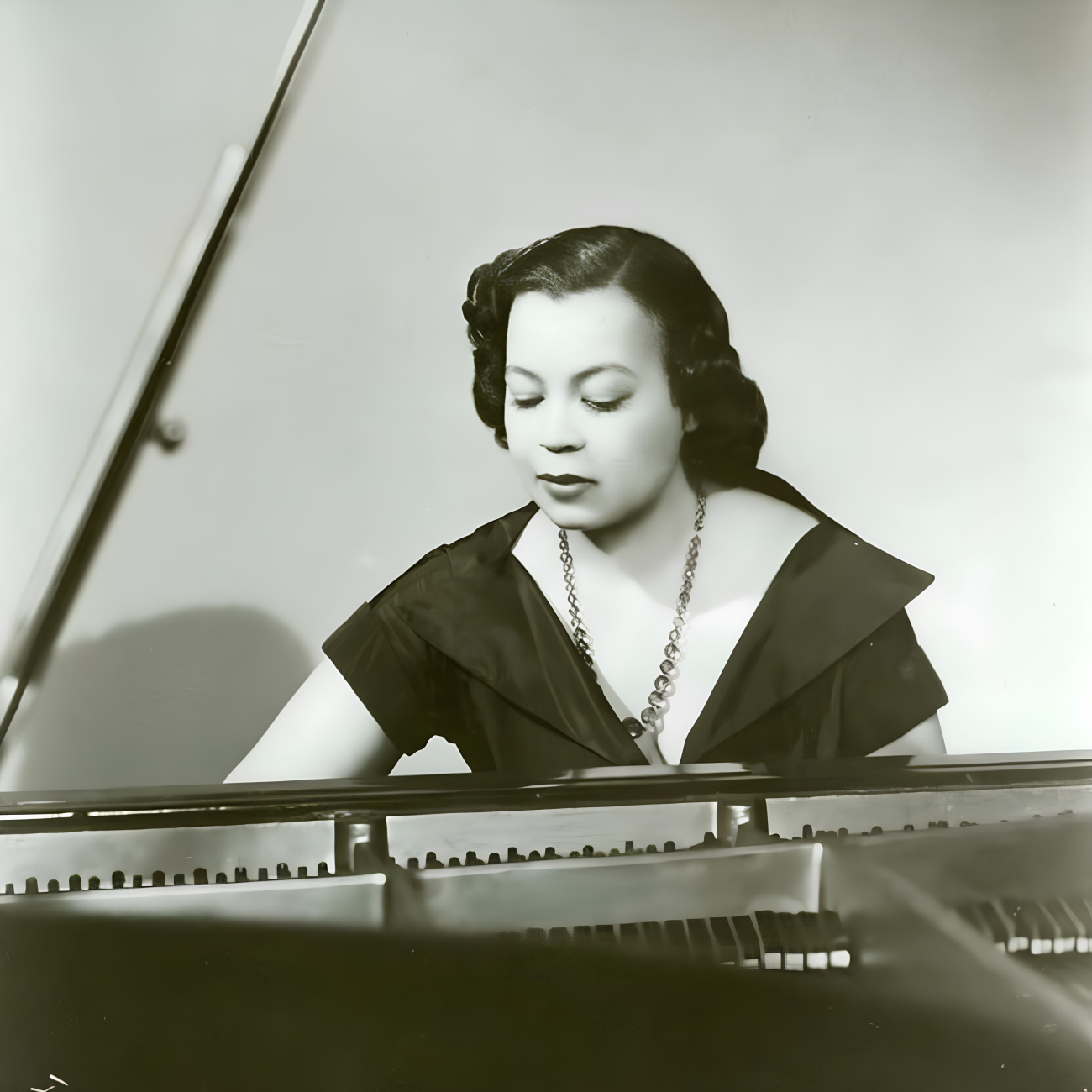
Margaret was deeply shaped by her family. Raised by her mother, Estella Bonds, in Chicago’s Greater Grand Crossing neighborhood, she was first and foremost influenced by these strong female role models. Although Margaret’s upbringing was decidedly matriarchal, we cannot overlook her father. Monroe Alpheus Majors was born in Texas and became a doctor. He graduated from the Meharry Medical Department of Central Tennessee College in 1886, and his medical career was distinguished by many “firsts.” Where opportunities and resources were lacking, Monroe didn’t hesitate to create them. For example, when confronted with the fact that there was no hospital for African Americans in Waco, Texas, he founded one; we see him recorded in the 1900 census as “Superintendent City Negro Hospital.” Outside of medicine, Monroe was equally unwavering in his commitment to racial equality. In addition to taking concrete action, he also championed his ideals as a writer and poet. Monroe’s drive for social justice sat poorly with many, and he was the target of numerous death threats. As a consequence, he and his family moved even more frequently than the censuses suggest.
Monroe’s marriage to Margaret’s mother in 1909 was his second, and Margaret arrived in 1913 bearing the name Margurett Jennett Majors. In 1919, her parents’ marriage was annulled, and reports of the family’s dissolution can be found in The Chicago Defender, then as now a prominent newspaper in the African American community. Her mother returned to using her maiden name of Bonds, and Margaret used the surname Bonds from this point forward. Although the end of this marriage must have been bitter, Margaret continued to have some level of relationship with her father. Monroe suffered a drastic loss of vision in 1925 and eventually moved to Los Angeles, where he spent the last decades of his life.
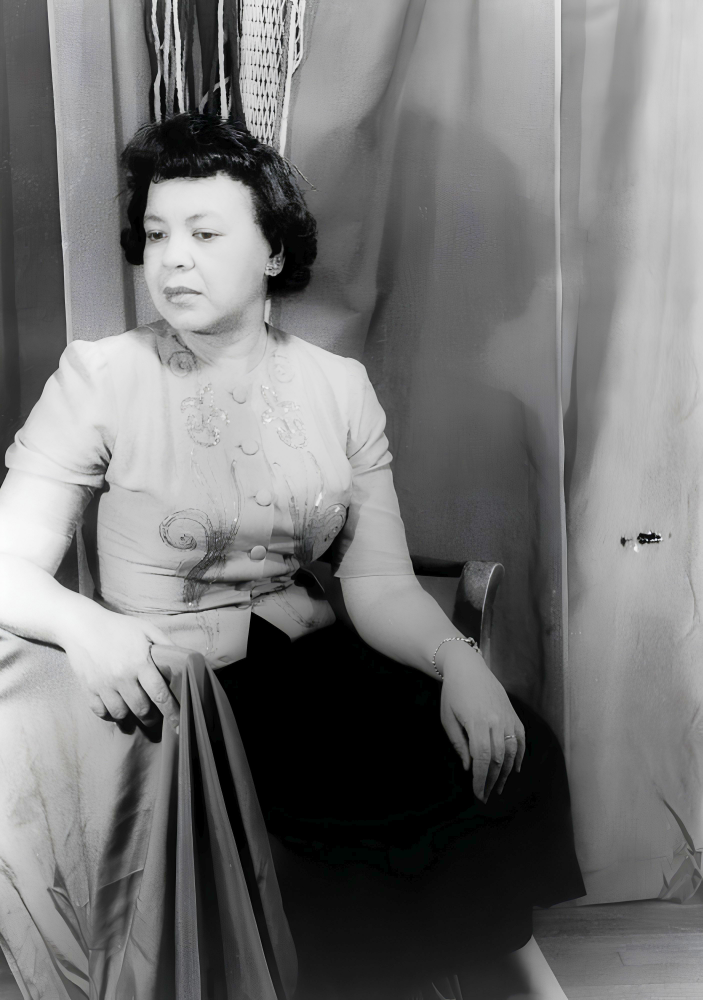
Margaret Bonds, photographed by Carl Van Vechten on October 10, 1956. Library of Congress.
Fast forward to October 4, 1956, when the then-91-year-old Monroe Majors remarried Estella Bonds at the ripe young age of 74. Again, we find more of these fascinating nuggets that assemble the family’s story in the official records. As it turns out, Estella Bonds died six months later, but her obituary confirmed that she had spent time in Los Angeles the preceding fall. On the marriage record, Estella gave her address as the longstanding family home in Chicago, and there is no evidence that she permanently moved to Los Angeles. Cooper believes this remarriage was an effort on Monroe’s part to heal his relationship with Margaret.
In the meantime, Margaret continued following her star. She moved to New York to pursue her career and married Lawrence Richardson, a probation officer, on her 27th birthday. In 1947, they had a daughter, Djane, who was likely named for Margaret’s former teacher, Djane Lavoie-Hertz. Whereas many women of her time stepped back from the professional world once becoming wives and mothers, Margaret’s musical career kept going strong. In the 1950 census, we can see that her mother, Estella, was part of Margaret’s household. This undoubtedly helped Margaret to balance her professional and personal roles.
The story we get out of these records, biographical accounts, and other data points is that Margaret was the child of two parents whose lives centered in many ways around establishing respect and creating equal opportunities for African Americans. She used her musical gifts in service of these aims. Like her mother, Margaret was a music educator throughout her career. Even when she was a well-known musical artist, her student roster still included children just starting their musical journeys. Her goal was to provide her students with the same rigorous musical education that she had received, and she delighted in having a teaching studio that represented “the entire Rainbow” (letter to daughter Djane, summer of 1971). As a performer, Margaret was very intentional in her programming. She performed her own music alongside the expected offerings of Chopin, Liszt, and Bach. In doing so, she made the clear statement that African American music has a rightful place in the classical canon. Without question, this activism was a legacy from her parents. Had she not died too young, Margaret would surely have continued making her tremendous impact during the last quarter of the twentieth century.
To read more about Margaret and her parents, please visit:

Betsy Ko joined Northshore Concert Band’s flute section in 2016, bringing with her a distinguished career as a private flute instructor, arts administrator, and research technologist. An avid genealogist, she has spent more than a decade tracing her family’s connections to the Tudor surname and has contributed more than 9,000 entries to the collaborative genealogy website WikiTree since 2015. She holds a Bachelor of Arts in Mathematics from Brown University (1989) and a Master of Music in Flute Performance from DePaul University (1994), and has completed additional coursework in genealogy at Boston University.